






Motor Insurance
Chinese Hybrid vs EV Insurance UAE 2026 Premium Guide
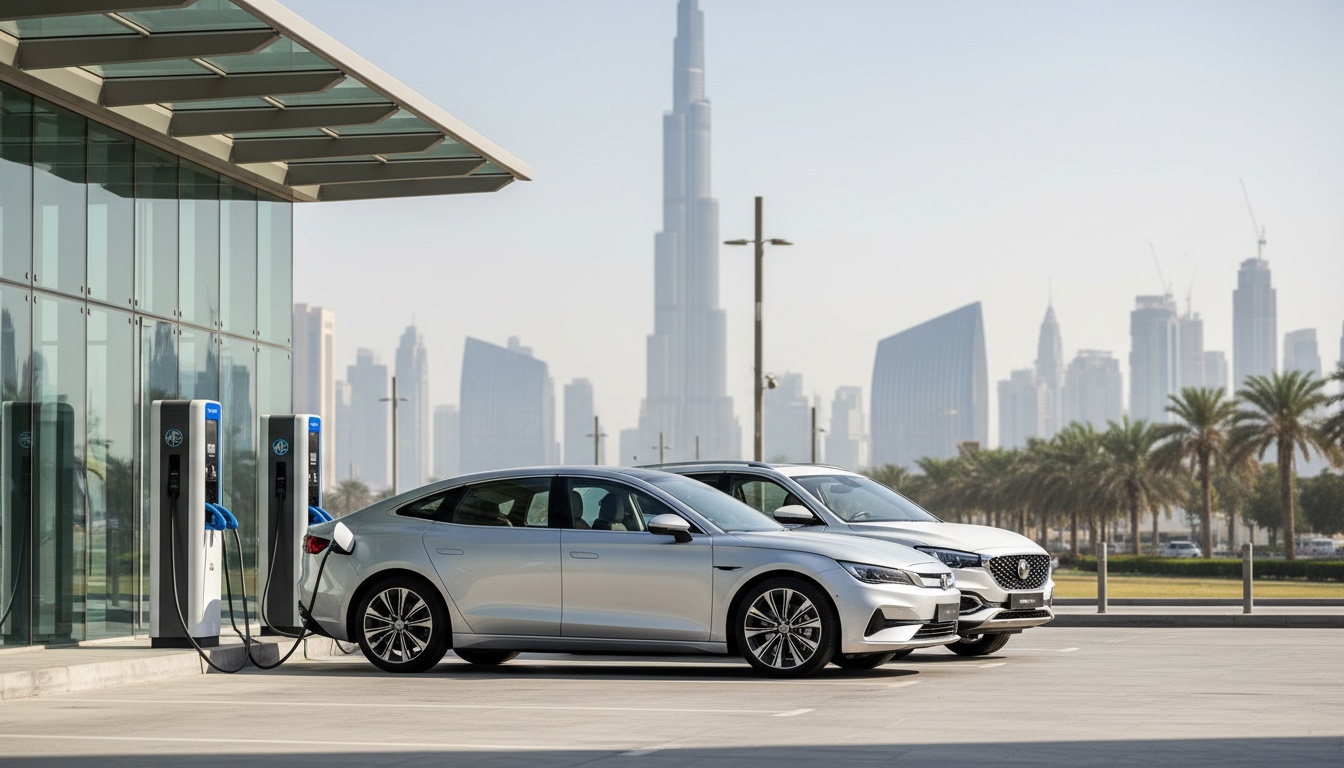
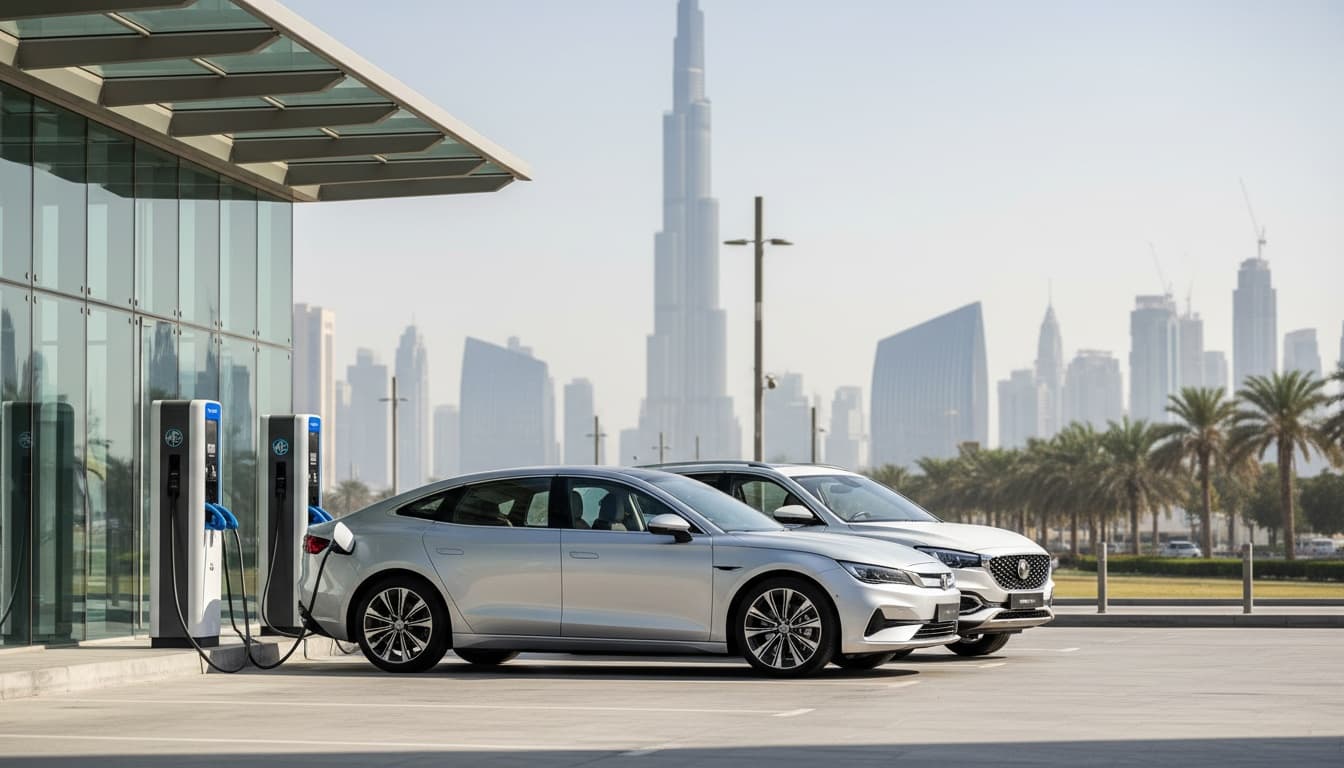
Chinese car brands like BYD, MG, and Geely have reshaped UAE roads — but how do their insurance premiums compare in 2026? Whether you're eyeing a plug-in hybrid or a fully electric model, understanding the motor insurance cost difference is essential before you sign on the dotted line. This guide breaks down the real numbers and the factors driving them.
Understanding the Rise of Chinese NEVs in the UAE Insurance Market
Chinese New Energy Vehicles (NEVs) — encompassing both hybrids and fully electric cars — now account for a significant and growing share of UAE vehicle registrations. Brands such as BYD, MG, Geely, and Haval have aggressively priced their models to attract cost-conscious buyers, making them increasingly popular with families and eco-conscious expats alike.
However, popularity doesn't automatically translate into affordable insurance. The UAE motor insurance market, regulated by the Central Bank of the UAE, applies risk-based pricing that factors in repair costs, parts availability, and claims history. Chinese NEVs represent a relatively new segment, meaning insurers have limited historical loss data — and limited data means higher actuarial caution.
If you're purchasing a used Chinese EV, the Used BYD or Geely UAE 2026 Insurance Inspection Guide is essential reading before renewal. Buyers should also understand the difference between Agreed Value vs Market Value for Chinese Cars UAE 2026, as this directly affects your payout in a total loss scenario.
Hybrid vs. EV: A Technical Breakdown of UAE Insurance Risk Profiles
Not all alternative-fuel vehicles are treated equally by UAE insurers. Here's how each category is assessed:
Hybrid (HEV/PHEV):
- Combines a combustion engine with an electric motor
- Lower battery capacity = lower replacement risk
- Dual-engine complexity increases workshop labor costs
- Parts sourcing is more established than pure EVs
- Premiums typically sit in a "middle ground" between petrol and full-electric rates
Full Electric (BEV):
- Relies entirely on high-voltage battery packs
- Battery replacement costs in the UAE can reach AED 30,000–80,000 depending on model
- Thermal runaway risk is a key actuarial concern for 2026 underwriting
- Fewer approved repair workshops with certified EV technicians
- Industry data suggests Chinese EV premiums run 20–35% higher than equivalent ICE vehicles
The distinction matters enormously when choosing a policy. Those weighing up whether to go comprehensive or third-party should review the differences in comprehensive motor insurance plans on licensed platforms before deciding.
2026 Premium Analysis: Comparing BYD, MG, and Geely Insurance Costs
Below are estimated 2026 annual insurance premiums for popular Chinese vehicle types in the UAE, based on available industry benchmarks and broker data:
| Vehicle Category | Avg. Premium (AED/Year) | Premium % of Car Value | Key Insurance Consideration |
|---|---|---|---|
| Chinese Hybrid (HEV) | 2,800 – 3,800 | 2.5% – 3.2% | Dual-engine repair complexity |
| Chinese PHEV | 3,200 – 4,800 | 3.0% – 4.0% | Battery + combustion parts sourcing |
| Chinese Full EV (standard) | 4,200 – 6,000 | 3.8% – 5.0% | High-voltage battery replacement |
| Chinese Full EV (high-performance) | 6,500 – 9,500 | 5.5% – 7.5%+ | Proprietary tech, limited repair network |
Some brokers have reported a 72% premium gap between entry-level Chinese ICE models and high-performance Chinese EVs — primarily driven by proprietary technology, battery costs, and a limited agency repair network.
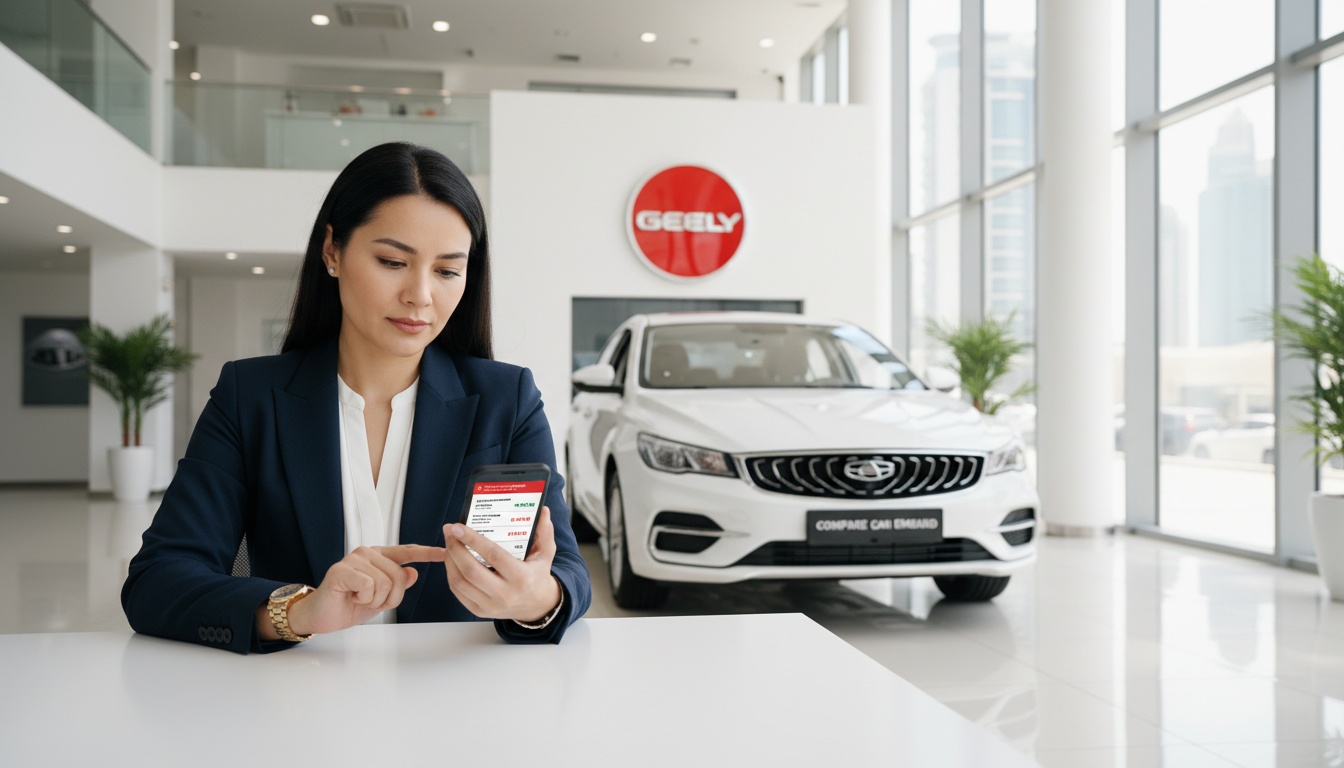
Compare & Choose a Plan
Critical Factors: Agency Repair and Battery Safety
Two issues dominate the Chinese car insurance conversation in 2026: agency repair availability and battery safety risk.
Agency Repair Limitations Unlike European or Japanese brands with extensive dealer networks, Chinese brands in the UAE typically operate through limited partnerships:
- BYD: Al Futtaim Motors
- Chery: AW Rostamani
- Geely and MG: Smaller authorized networks
Policies without agency repair clauses may send your vehicle to third-party workshops lacking certified EV technicians — potentially voiding manufacturer warranties and increasing the chance of substandard repairs.
Battery Safety and Thermal Runaway Insurers are increasingly factoring battery thermal management risks into their 2026 pricing models. Vehicles with GCC-spec battery cooling systems are viewed more favorably than non-GCC imports. This is directly relevant to used Chinese EV buyers, who may unknowingly purchase non-GCC spec vehicles.
The Ministry of Energy and Infrastructure (MOEI) EV Building Code and RTA registration requirements increasingly distinguish between GCC and non-GCC spec vehicles, a gap that feeds directly into premium pricing.
Get a Free Quote Now
How to Optimize Your 2026 Motor Policy for Chinese Hybrid and Electric Models
Here are practical steps to reduce your 2026 motor insurance costs without sacrificing coverage:
- Confirm GCC spec before purchase — Non-GCC spec vehicles attract surcharges and face parts availability issues.
- Insist on agency repair for new vehicles — Especially critical for EVs under warranty.
- Compare comprehensively — Compare motor insurance plans on licensed platforms to find policies specifically covering EV battery damage.
- Check the no-claims discount (NCD) — Transferable NCDs from previous policies can reduce premiums significantly on renewal.
- Review your renewal timing — The Renew Car Insurance During Eid 2026 Guide highlights how timing affects activation and pricing.
- Ask specifically about battery coverage limits — Some policies cap battery replacement payouts well below actual replacement cost.
Explore Plans →
Conclusion
Bottom line: Chinese hybrid and EV insurance premiums in the UAE vary significantly in 2026, with full EVs costing 20–35% more than combustion equivalents and a potential 72% gap for high-performance models. Agency repair availability and battery replacement costs are the two biggest pricing drivers. Whether you drive a BYD, MG, or Geely, comparing the right policy is critical — explore motor insurance options on licensed platforms to find coverage built for your vehicle type.
Short Summary: Compare 2026 UAE insurance premiums for Chinese hybrids vs. EVs — BYD, MG, Geely — with agency repair and battery cost insights.
Meta Description: Compare Chinese hybrid vs EV insurance premiums in UAE 2026. Discover BYD, MG, Geely costs, agency repair rules, and how to save on your motor policy.
Slug: chinese-hybrid-vs-ev-insurance-uae-2026-premium-comparison
Get Motor Quotes Instantly
FAQ
Why is insurance for Chinese EVs higher than petrol counterparts in the UAE?
Chinese EVs have higher battery replacement costs, fewer certified repair workshops, and limited claims history in the UAE market. These actuarial factors push premiums 20–35% above equivalent petrol vehicles for 2026 policies.
Is agency repair guaranteed for brands like BYD and Geely in the UAE?
Agency repair is not automatically included. BYD operates through Al Futtaim and Geely through a smaller authorized network. Always request agency repair as an add-on and confirm the insurer honors the specific dealership partnership.
How does GCC vs. non-GCC spec affect insurance for Chinese cars?
Non-GCC spec vehicles often lack locally adapted cooling systems and have limited spare parts availability in the UAE. Insurers treat them as higher risk, leading to premium surcharges and potential claim complications.
What is the impact of battery replacement costs on EV insurance premiums?
Battery packs for Chinese EVs can cost AED 30,000–80,000 in the UAE. Insurers factor this into total loss and partial damage calculations, directly inflating annual premium rates for full-electric models.
Do Chinese hybrid cars qualify for any insurance discounts in the UAE in 2026?
Some insurers offer marginal green vehicle discounts, but these are not standardized across the market. PHEVs and HEVs generally benefit from lower base premiums than full EVs due to lower battery replacement exposure.
Editorial note: This article is for general information and does not constitute insurance advice. Always confirm terms with your insurer.