







Travel Insurance
Digital Nomad Workation Insurance Risks in UAE 2026

Planning a workation in 2026? Before you open that laptop at a Lisbon café or a New York co-working space, your standard tourist travel policy may already be void. UAE-based remote workers are unknowingly exposing themselves to denied medical claims and zero liability cover by mixing work with leisure travel. Here's what you need to know — and how to get proper travel insurance that actually protects you.
What Defines a 'Workation' Under UAE Travel Insurance Law?
A "workation" — working remotely from a leisure destination — sounds harmless, but UAE travel insurers apply a very specific lens to it. Most standard tourist policies sold in the UAE include a "Leisure Only" clause, which means coverage applies exclusively when you are travelling for holiday, personal, or recreational purposes. The moment you perform any professional duty — answering a client email, joining a Zoom call, or submitting a deliverable — you technically enter "the course of employment."
This matters because UAE-regulated insurers, in compliance with guidelines from the UAE Central Bank, assess claims based on the traveller's status at the time of the incident. If you slip on a wet floor mid-conference call, your insurer may classify that as an occupational accident — excluded from tourist coverage.
Key definitions insurers use:
- Business Travel: Short-term trips for meetings, conferences, or corporate events
- Digital Nomadism: Extended remote work from a foreign country during ongoing daily operations
- Workation: A hybrid combining leisure travel with sustained professional activity
Understanding the difference is critical. If you're unsure how your existing multi-trip policy handles extended stays, review our guide on Single-Trip vs. Multi-Trip: Cost-Benefit Analysis for Expats before booking.
The 2026 Digital Footprint: How 'Checking Emails' Becomes a Policy Breach
In 2026, the insurance risk isn't just contractual — it's digital. New US ESTA and EU Entry/Exit System regulations now require travellers to disclose social media handles and professional affiliations at the border. This data can surface on LinkedIn, public portfolios, or geo-tagged posts that show you were professionally active during a supposed "holiday."
Insurers increasingly use activity verification — cross-referencing your visa category with digital evidence of professional conduct — when assessing claims. A hospitalisation claim filed during a trip where your LinkedIn shows you posted thought leadership content from Barcelona can trigger a coverage dispute. As we've covered in EU Entry/Exit System 2026: Insurance for UAE Residents, border data is now more interlinked than ever.
The "Invisible Breach" this creates:
- Social media check-ins at co-working spaces indicate professional activity
- Invoice timestamps or e-signatures from foreign IP addresses during a tourist visa window
- Client communication metadata that surfaces during claims investigation
- Public portfolio updates timestamped during your supposed leisure trip
Liability is the other silent gap. Standard tourist policies do not cover professional errors or omissions. If a client sues you for a deliverable submitted while abroad, no tourist policy will protect you. This risk is compounded if you're also travelling with expensive equipment — as explored in our article on Stolen Electronics UAE 2026: Why Depreciation Cuts Claims, standard baggage limits rarely account for a high-spec laptop's replacement value.
Comparing Coverage: Tourist Travel Insurance vs. Remote Work Policies
The table below illustrates exactly where tourist policies fall short for digital nomads in 2026:
| Feature | Standard Tourist Policy | Digital Nomad / Business Policy |
|---|---|---|
| Medical Emergencies | Covered (leisure activities only) | Covered (leisure and work-related) |
| Professional Equipment (Laptops) | Limited or excluded | High-value coverage included |
| Professional Liability / E&O | Not covered | Included in specialist plans |
| Policy Validity if Deported | Voided immediately | Maintains legal and repatriation support |
| Daily Operations Abroad | Not recognised | Core covered activity |
| Multi-Country Coverage | Limited by destination | Flexible global coverage |
The distinction between "business travel" (short-term meetings) and "digital nomadism" (sustained daily operations) is the most critical factor for claim approval. Many UAE residents assume their employer's group business travel cover extends to their personal workation — it typically does not.
Dedicated travel insurance designed for remote workers or business travellers fills the gaps standard tourist products cannot.
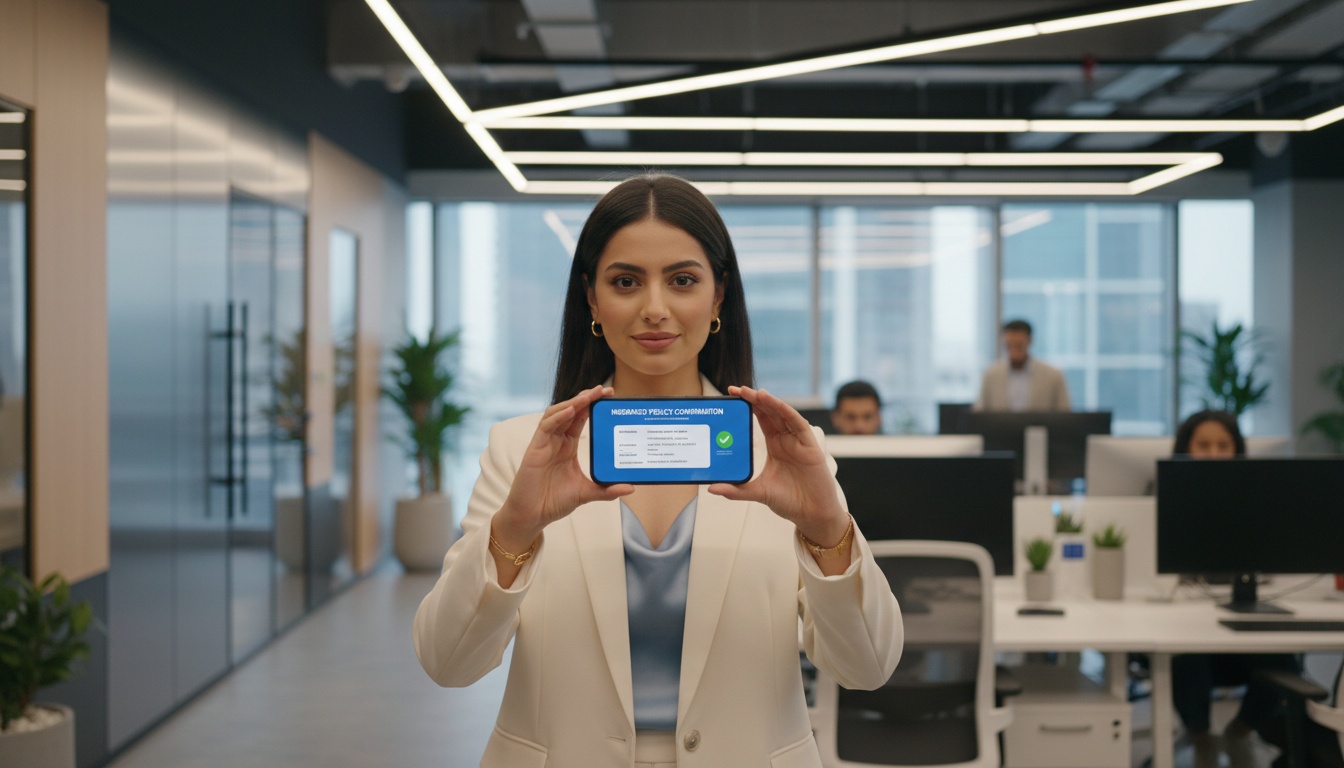
Compare & Choose a Plan
Pre-Departure Checklist: Securing Your 2026 Workation Coverage
Before you pack your laptop and boarding pass, run through this checklist:
- Read your policy's "Scope of Activity" clause — confirm it doesn't restrict coverage to leisure-only scenarios
- Declare your professional status when purchasing travel insurance — non-disclosure voids claims
- Add an equipment floater for laptops, cameras, and tech gear above the standard baggage limit
- Verify your destination's visa requirements — working on a tourist visa in the US, UK, or Schengen area is a legal violation; check UAE Ministry of Foreign Affairs for bilateral agreements
- Check if your policy covers deportation-related repatriation — tourist policies typically void upon visa violation detection
- Purchase professional liability cover separately if your work involves client deliverables
- Document your coverage before departure — screenshot your policy schedule and save emergency contact numbers offline
Get a Free Quote Now
Conclusion
Bottom line: In 2026, the line between "tourist" and "remote worker" is sharper — and more consequential — than ever. UAE-based digital nomads who rely on standard tourist travel insurance risk having medical claims denied, equipment losses unreimbursed, and professional liability completely unaddressed. The solution is straightforward: declare your status honestly and choose a policy built for how you actually travel.
Short Summary: Working abroad on a tourist visa in 2026 can silently void your UAE travel insurance — here's how to stay covered.
Meta Description: Discover how 2026 workation travel invalidates UAE tourist insurance. Learn what digital nomads must do to stay covered abroad. Compare plans on licensed platforms.
Slug: digital-nomad-workation-travel-insurance-uae-2026
Explore Plans →
FAQ
Does sending one work email actually void my UAE travel insurance?
It depends on your policy wording. Most standard UAE tourist policies include a "Leisure Only" activity clause. A single email may not trigger a dispute, but if an incident occurs while you were performing professional duties, the insurer can use that activity as grounds to deny the claim.
How do 2026 US social media disclosure rules affect my travel insurance claim?
Under updated US ESTA protocols, travellers must disclose professional social media profiles. If an insurer's claims team finds public evidence of professional activity during a tourist-visa trip, this can be cited as a "material change in risk" and used to void your policy retroactively.
Can I upgrade my existing multi-trip policy to include remote work?
Some UAE insurers offer endorsements for business or remote work activity. However, many standard multi-trip products cannot be amended mid-term. You may need to purchase a separate digital nomad or business travel policy before departure.
Will travel insurance cover me if my laptop is stolen during a workation?
Standard baggage cover has per-item limits — typically AED 1,000–3,000 — which rarely covers a professional-grade laptop. A digital nomad policy with an equipment floater is necessary for full replacement value coverage.
What happens if I need emergency evacuation while working on a tourist visa?
Medical evacuation is typically covered regardless of work status — but if the insurer establishes you were violating visa conditions, repatriation and legal support clauses may be voided. A business or remote work policy explicitly protects these scenarios.
Editorial note: This article is for general information and does not constitute insurance advice. Always confirm terms with your insurer.