






Motor Insurance
Eid Al Fitr 2026: UAE to Qatar Driving Insurance Guide

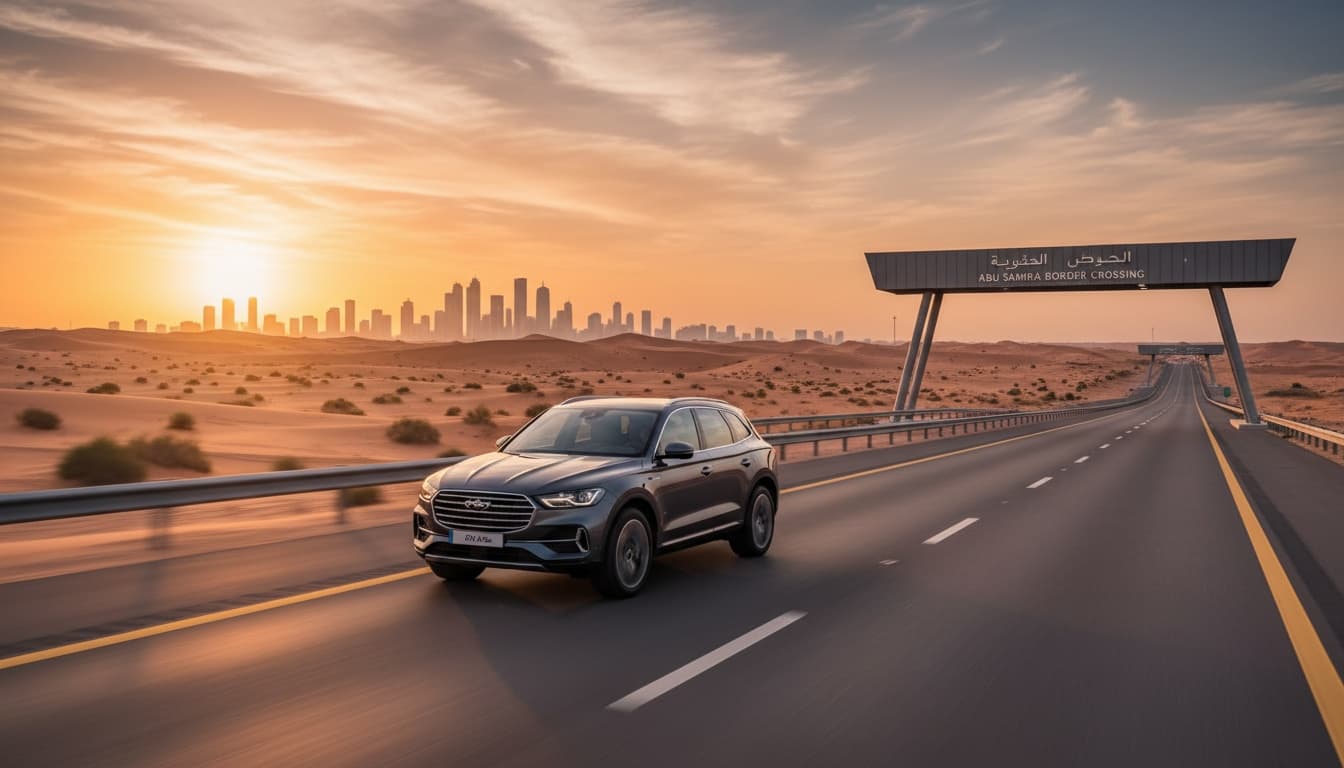
Planning a self-drive adventure from the UAE to Qatar this Eid Al Fitr? The scenic route through the Abu Samra border crossing offers families and road trip enthusiasts an unforgettable experience—but only if you have the correct insurance documentation in place. With Qatar's new MSAR electronic system now mandatory and specific health insurance requirements for visitors, understanding your coverage needs before departure is essential. This comprehensive guide walks you through every insurance layer required to cross the border legally and travel with complete peace of mind.
Understanding GCC Vehicle Extension: Why Your UAE Comprehensive Policy Isn't Enough
Many UAE residents assume their comprehensive car insurance automatically covers them across GCC borders—but this is a critical misconception that can leave you financially exposed.
Your standard UAE motor insurance policy provides Third-Party Liability coverage within the UAE only. When you cross into Qatar, this coverage does not extend to protect your own vehicle against damage, theft, or total loss. Here's what you need to know:
- Third-Party Liability Only: Your UAE policy covers damage you cause to others within the UAE, but this protection stops at the border.
- GCC Extension Add-On: To protect your own vehicle in Qatar, you must purchase a specific "GCC Extension" from your UAE insurer before departure.
- Own Damage Coverage: This extension covers accidental damage, theft, and total loss scenarios while your vehicle is in Qatar, Bahrain, Saudi Arabia, Oman, or Kuwait.
Specifications Matter: Vehicles with non-GCC specifications (American, European, or Asian imports) may face higher deductibles or restricted coverage when driven outside the UAE. Always confirm your vehicle's specification status with your insurer—especially if you own luxury brands or recently imported electric vehicles like the BYD Seal or MG4 EV.
The 2026 MSAR Digital Shift: Step-by-Step Insurance Pre-Registration for Abu Samra
As of February 1, 2026, Qatar's Ministry of Commerce and Industry (MOCI) mandates all foreign vehicles entering through Abu Samra to complete insurance pre-registration via the MSAR electronic system. This digital-first approach replaces paper-based border insurance purchases and significantly reduces wait times at the crossing.
What is MSAR? MSAR (Motor Safety Automated Registration) is Qatar's centralized platform linking vehicle registration, third-party insurance, and entry permits for foreign vehicles. The system verifies insurance compliance before you reach the border checkpoint.
Step-by-Step MSAR Registration Process:
- Visit the MSAR Portal: Access the official MSAR website (managed by Qatar's Ministry of Interior) at least 48 hours before departure.
- Enter Vehicle Details: Provide your vehicle's chassis number (VIN), UAE registration (Mulkiya) details, and passport information.
- Purchase Qatari Third-Party Insurance: The portal offers approved Qatari insurers. Select coverage duration (minimum 7 days, maximum 90 days) and complete payment online (approximately QAR 150-250 depending on vehicle type).
- Download MSAR Certificate: After payment, download the official MSAR certificate PDF. Print two copies—one for your dashboard and one as backup.
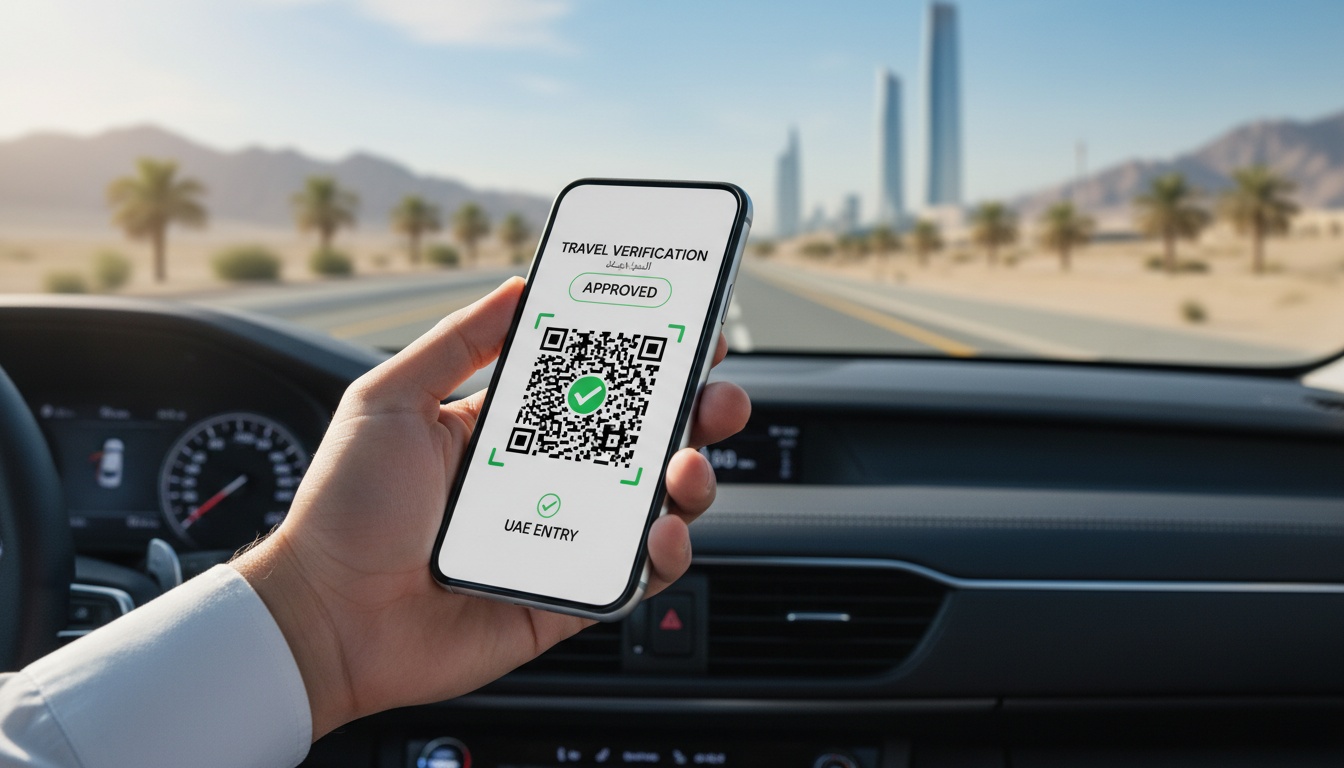
- Present at Border: Qatar border officials scan your MSAR QR code for instant verification. No paper forms required.
For Electric Vehicle Owners: If you're driving a BYD Atto 3, MG ZS EV, or Tesla Model 3 from the UAE to Qatar, confirm that your MSAR third-party policy includes breakdown recovery services. The 330km journey from Abu Dhabi to Doha includes remote desert stretches with limited EV charging infrastructure—specialized towing may be required if battery range falls short.
Mandatory Requirements: Comparing UAE Insurance Extensions vs. Qatari Border Policies
Understanding the two-layer insurance structure is essential for legal and financial protection during your Qatar road trip:
| Insurance Type | Requirement Status | Coverage Scope | Where to Purchase |
|---|---|---|---|
| UAE Comprehensive with GCC Extension | Highly Recommended | Own Damage, Theft, Total Loss in Qatar (your vehicle) | Your UAE insurer before travel |
| Qatari Third-Party Liability (MSAR) | Legally Mandatory | Damage you cause to others in Qatar | MSAR portal or Abu Samra border |
| Mandatory Visitors' Health Insurance | Legally Required for Entry | Medical emergencies in Qatar (personal health) | QAPI-approved insurers (QAR 50 approx.) |
| Roadside Assistance with Cross-Border Recovery | Recommended | Towing, fuel delivery, battery jump-start | UAE insurer or standalone provider |
Critical Distinction:
- Your UAE GCC Extension protects your car from damage.
- The MSAR Third-Party Policy protects other people and property you may damage in Qatar.
- Neither covers your personal medical expenses—that's where Visitors' Health Insurance becomes mandatory.
Visitors' Health Insurance Requirement: Since January 2026, Qatar's Ministry of Public Health (MOPH) requires all visitors—including GCC nationals—to hold valid health insurance from a Qatar-approved provider. This policy can be purchased:
- Online through QAPI (Qatar Association of Private Insurers) member companies
- At Hamad International Airport (HIA) upon arrival
- Through select UAE travel insurance providers with Qatar reciprocity
The cost is approximately QAR 50-100 for a 30-day visitor policy, covering emergency medical treatment and hospitalization.
Not sure which insurance layers you need? Compare & Choose on licensed platforms
Compare & Choose a Plan
Essential Pre-Trip Checklist: From Mulkiya to Mandatory Visitor Health Cover
Before you hit the road for your Eid Al Fitr Qatar adventure, ensure every document is in order. Missing even one item can result in border delays or entry denial.
✓ Vehicle Documentation:
- Valid UAE Vehicle Registration (Mulkiya): Must not expire during your stay in Qatar.
- UAE Comprehensive Insurance Certificate: Clearly showing GCC Extension endorsement.
- MSAR Third-Party Insurance Certificate: Downloaded from the MSAR portal with visible QR code.
- Original Vehicle Ownership Card (if privately owned) or No Objection Certificate (NOC) from finance company if the vehicle is under loan.
✓ Driver Documentation:
- Valid UAE Driving License: International Driving Permit (IDP) is not required for GCC nationals and UAE residents, but carry it if you hold a non-GCC license.
- Passport with Valid UAE Residence Visa: Must have at least 6 months validity remaining.
- Qatar Visitors' Health Insurance Certificate: From a QAPI-approved provider.
✓ Insurance Cross-Check: Before departing, verify your motor insurance policy includes:
- ✓ GCC Extension for Own Damage coverage
- ✓ Roadside Assistance valid outside the UAE (confirm with provider)
- ✓ Coverage for non-GCC spec vehicles if applicable
- ✓ Policy validity extending beyond your return date—renew early if expiry falls during your trip
✓ Electric/Hybrid Vehicle Owners:
- Confirm charging station availability along the Abu Dhabi-Abu Samra-Doha route (limited public charging between borders)
- Verify your insurance includes specialized EV towing (standard tow trucks may damage battery systems)
- Carry the manufacturer's emergency contact number for battery-related breakdowns
Get a Free Quote Now
Conclusion
Bottom line: Driving from the UAE to Qatar for Eid Al Fitr 2026 requires careful insurance planning across multiple layers—UAE GCC Extension, MSAR third-party coverage, and mandatory visitor health insurance. The new MSAR digital system streamlines border entry, but only if you complete pre-registration and carry verified documentation. From understanding comprehensive vs third-party coverage to ensuring your EV has proper breakdown support, every detail matters for a stress-free cross-border journey.
INTERNAL LINKS INCLUDED:
- https://www.licensed insurance platforms.com/motor-insurance (multiple CTAs)
- https://www.licensed insurance platforms.com/blog/comprehensive-vs-thirdparty-car-insurance-in-uae-(2026)
- https://www.licensed insurance platforms.com/blog/top-10-comprehensive-car-insurance-providers-in-the-uae-for-2026-or-licensed insurance platforms
EXTERNAL REFERENCES (mentioned, not linked per Wikipedia restriction):
- Qatar Ministry of Commerce and Industry (MOCI)
- Qatar Ministry of Interior (MOI)
- Qatar Ministry of Public Health (MOPH)
- RTA (Roads and Transport Authority, UAE)
- QAPI (Qatar Association of Private Insurers)
Explore Plans →
FAQ
Do I need an Orange Card to drive from the UAE to Qatar?
No. The Orange Card is specifically for Oman only. For Qatar, you must use the MSAR electronic insurance system and purchase Qatari third-party liability coverage through the portal or at the Abu Samra border. Your UAE insurance with GCC Extension covers your own vehicle damage, but Qatari third-party liability is a separate legal requirement.
How do I use the MSAR electronic system for vehicle insurance before reaching the border?
Visit the official MSAR portal (linked from Qatar's Ministry of Interior website) at least 48 hours before departure. Enter your vehicle VIN, UAE Mulkiya details, and passport information. Purchase third-party coverage for your desired stay duration (7-90 days), download the MSAR certificate PDF, and print two copies. Present the QR code at the Abu Samra border for instant verification.
Is my UAE-issued health insurance valid for entry into Qatar in 2026?
No. As of January 2026, Qatar requires all visitors—including GCC nationals and UAE residents—to hold a separate Visitors' Health Insurance policy from a QAPI-approved Qatari insurer. This policy costs approximately QAR 50-100 for 30 days and can be purchased online or at Hamad International Airport. Your UAE health insurance does not satisfy this entry requirement.
What happens if my car is a 'Total Loss' while in Qatar?
If you hold a valid GCC Extension on your UAE comprehensive insurance, your insurer will process the total loss claim and compensate you according to your policy terms. However, if you only have the MSAR third-party policy, you will receive no compensation for your own vehicle—only damage you cause to others is covered. This is why the GCC Extension is critical for cross-border travel.
Can I drive a leased or financed car from Dubai to Doha?
Yes, but you must obtain a No Objection Certificate (NOC) from your finance company or leasing provider before departure. Many banks also require a Tourism Certificate from the RTA (Dubai) or ITC (other emirates). Submit your request at least 10 business days in advance, as processing times vary. Driving a financed vehicle across borders without proper authorization can result in border detention and contract violations.
Does my roadside assistance cover towing back to the UAE from the Abu Samra border?
Not automatically. Standard UAE roadside assistance packages typically cover recovery within UAE borders only. You must explicitly request cross-border recovery coverage from your provider. This is especially important for electric vehicle owners—specialized EV towing from remote desert locations can cost upwards of AED 5,000-8,000 without coverage. Verify this service before departure and carry the assistance provider's emergency number offline.
Editorial note: This article is for general information and does not constitute insurance advice. Always confirm terms with your insurer.