






Motor Insurance
EV Charger Fire: Motor vs Home Insurance UAE 2026
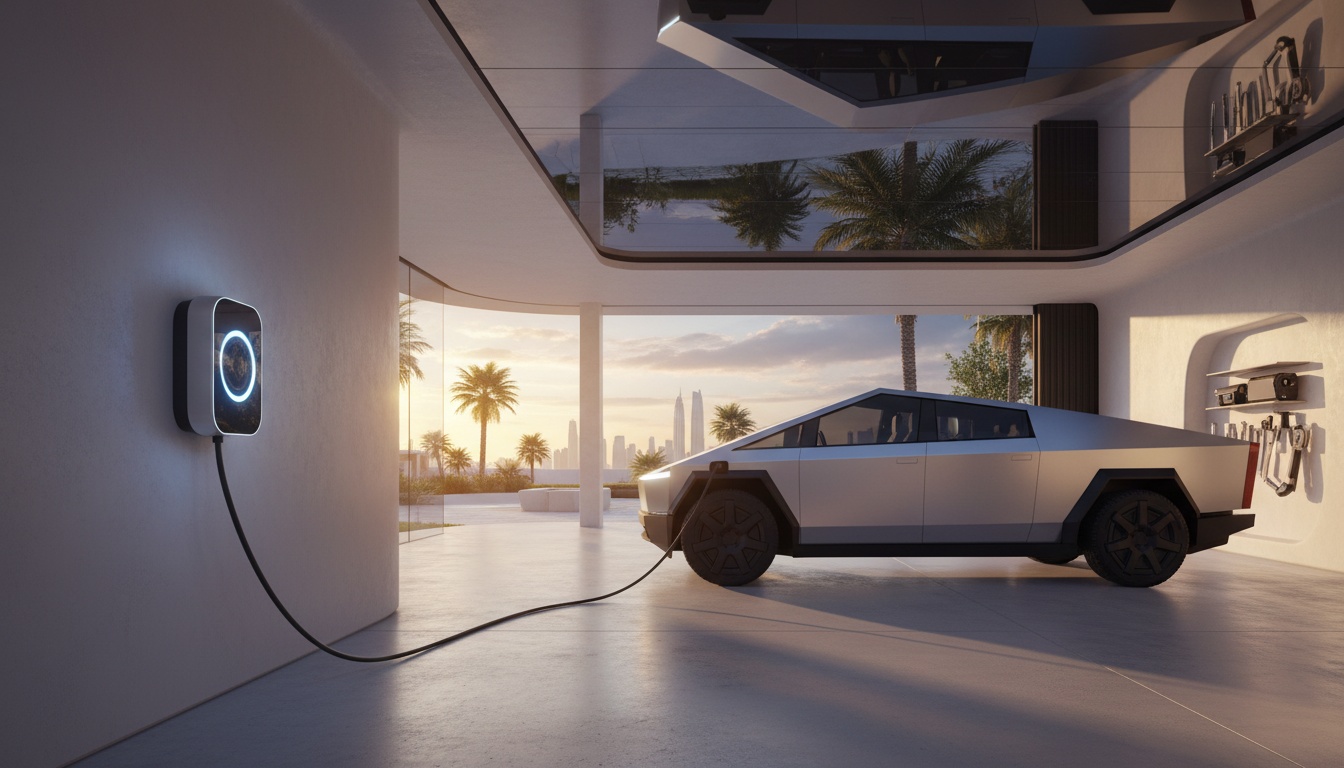
A home EV charger fire can destroy both your electric vehicle and your property — yet many UAE owners discover too late that neither their motor insurance nor their home policy fully covers the damage. In 2026, with EV adoption accelerating across Dubai and Abu Dhabi, understanding exactly which policy responds — and where dangerous coverage gaps exist — is essential before a claim is ever filed.
Understanding the Mechanics: How Home EV Chargers Interface with UAE Power Grids
Home EV charging stations — particularly 22kW AC wall-boxes — draw significant electrical load from UAE residential grids regulated by DEWA in Dubai and ADDC/AADC in Abu Dhabi. When improperly installed or overloaded, these units can trigger arc faults or thermal runaway events that escalate rapidly within enclosed garages.
The critical legal distinction under UAE insurance frameworks is whether a wall-mounted charger constitutes a fixed property fixture or a motor accessory. UAE Central Bank guidelines (centralbank.ae) classify permanently affixed electrical installations as property assets, meaning home/building insurance is the primary policy. However, when the charger's failure directly ignites the vehicle, motor insurers argue the ignition source was external — creating an immediate dispute.
For EV owners driving Chinese brands like BYD, MG, or Jetour, understanding how charger specs interact with UAE grid standards matters doubly — non-GCC-spec chargers have been cited in claim rejections. Read more on how Chinese Hybrid vs EV Insurance UAE 2026 premiums are assessed to understand how specifications influence your policy.
Source of Ignition: Determining Liability Between Motor and Home Insurance Policies
When a fire investigation report is filed with UAE Civil Defence, the single most consequential finding is the origin point of ignition. This determination triggers what industry professionals call the "Subrogation Trap" — each insurer points to the other's policy as the responsible party.
How liability splits in practice:
- Fire starts at the wall-box or wiring: Home/building insurance is primary. Structural damage, wall repairs, and adjacent property are covered. The EV itself is typically excluded unless the motor policy includes a "fire from external source" extension.
- Fire starts inside the EV battery (thermal runaway): Comprehensive motor insurance responds for vehicle damage. Home insurers may deny structural claims, arguing the vehicle was the hazard.
- Fire spreads to a neighbor's villa: Third-party liability under your home policy — not motor — typically applies, though this remains a contested gray area in UAE courts.
The 2026 policy wordings from several UAE insurers now explicitly distinguish between "electrical surge" events (more likely covered under home policy) and "thermal runaway" (treated as a motor-specific peril). Reviewing your policy wording for these exact phrases is non-negotiable.
For deeper context on out-of-warranty battery scenarios, the Out-of-Warranty EV Battery Insurance UAE 2026 Guide outlines how insurers assess battery-origin fire claims specifically.
2026 Coverage Breakdown: Comprehensive Motor vs Property Fire Insurance
UAE Insurance Claims: Car vs. Home Charger Fire Scenarios
| Scenario | Primary Policy Responsible | Likely Outcome / Coverage |
|---|---|---|
| Fire starts in charger due to faulty wiring | Home / Building Insurance | Covers structure damage; EV typically excluded |
| EV battery thermal runaway in garage | Comprehensive Motor Insurance | Covers vehicle; home structure may be excluded |
| Fire spreads from EV to garage wall | Both policies disputed | Civil Defence report determines split liability |
| Non-certified charger installation causes fire | Neither policy (void condition) | Full claim rejection likely from both insurers |
| Charger listed as specified accessory on motor policy | Comprehensive Motor Insurance | Charger + vehicle covered up to declared value |
The table above reveals the most actionable takeaway for 2026: add your home charger as a specified accessory on your comprehensive motor policy. Most UAE motor insurers will list a wall-box charger for a modest additional premium, eliminating the gray area entirely for the charger unit itself.
Owners of Chinese EV models should also review Approved Garages for Geely and BYD in UAE 2026 — the repair network your insurer approves directly affects post-fire settlement speed.
You can compare comprehensive motor insurance plans on licensed platforms to identify policies that allow charger accessory declarations upfront.
Compare & Choose a Plan
Safety Compliance Checklist: Protecting Your UAE Property and EV Investment
Proactive compliance is your strongest protection against claim disputes. Follow this checklist before and after charger installation:
- Use only DEWA or ADDC-approved contractors — retain the completion certificate for insurance records.
- Notify your home insurer in writing within 30 days of charger installation — failure to disclose a material change can void your entire property policy.
- Declare the charger as a specified accessory on your comprehensive motor policy with its purchase value.
- Obtain a Civil Defence inspection certificate if your villa or apartment building requires one (mandatory for 22kW+ installations in many Dubai communities).
- Check your charger's GCC compatibility — non-GCC-spec units from parallel imports create grounds for insurer rejection.
- Review your motor policy's "electrical fire" clause — confirm whether thermal runaway is a named or excluded peril.
- Store all documents digitally — contractor invoices, Civil Defence certificates, and insurer disclosure letters are critical during claims.
Get a Free Quote Now
Conclusion
Bottom line: In 2026, EV charger fire claims in the UAE fall into a genuine gray area between motor insurance and home insurance — and insurers are not shy about using that ambiguity to delay or deny payouts. The solution is straightforward: use certified contractors, disclose your installation to both insurers, and add your charger as a specified accessory on your motor policy. Secure every compliance certificate before a claim ever arises.
Short Summary: UAE EV owners face a dangerous coverage gap between motor and home insurance when a home charger fire occurs — here's how to bridge it in 2026.
Meta Description: EV charger fire in UAE: discover which policy covers damage in 2026, how to avoid claim rejection, and protect both your car and home.
Slug: ev-charger-fire-motor-vs-home-insurance-uae-2026
Explore Plans →
FAQ
Does my UAE motor insurance cover my wall-box charger as an accessory?
Only if you have declared it as a specified accessory on a comprehensive motor policy. Standard policies do not automatically include fixed wall-box chargers — you must request this addition and pay the applicable premium adjustment.
Will home insurance pay for my EV if it catches fire in my garage?
Generally, no. Home insurance covers the structure and contents of your property, not a motor vehicle. Your comprehensive motor insurance is the correct policy for EV fire damage, provided the fire origin was the vehicle itself.
What happens if a non-certified electrician installs my EV charger in Dubai?
Both your home insurer and motor insurer can reject related claims outright. DEWA regulations require approved contractors, and insurers treat non-compliant installations as a material breach of policy conditions.
Do I need to notify my home insurance provider after installing a 22kW charger?
Yes — this is a material change to your property's electrical infrastructure. Failure to disclose it within the required period (typically 30 days) can void your entire home policy, not just the charger-related claim.
Is fire damage from a Chinese EV model treated differently by UAE insurers?
The brand itself is not the deciding factor, but GCC-spec compliance is. Non-GCC-spec chargers bundled with Chinese EV imports have been cited in claim rejections. Always verify charger certification with your insurer before installation.
Editorial note: This article is for general information and does not constitute insurance advice. Always confirm terms with your insurer.