






Motor Insurance
EV Insurance for Drivers Under 25 in UAE 2026: New Rules
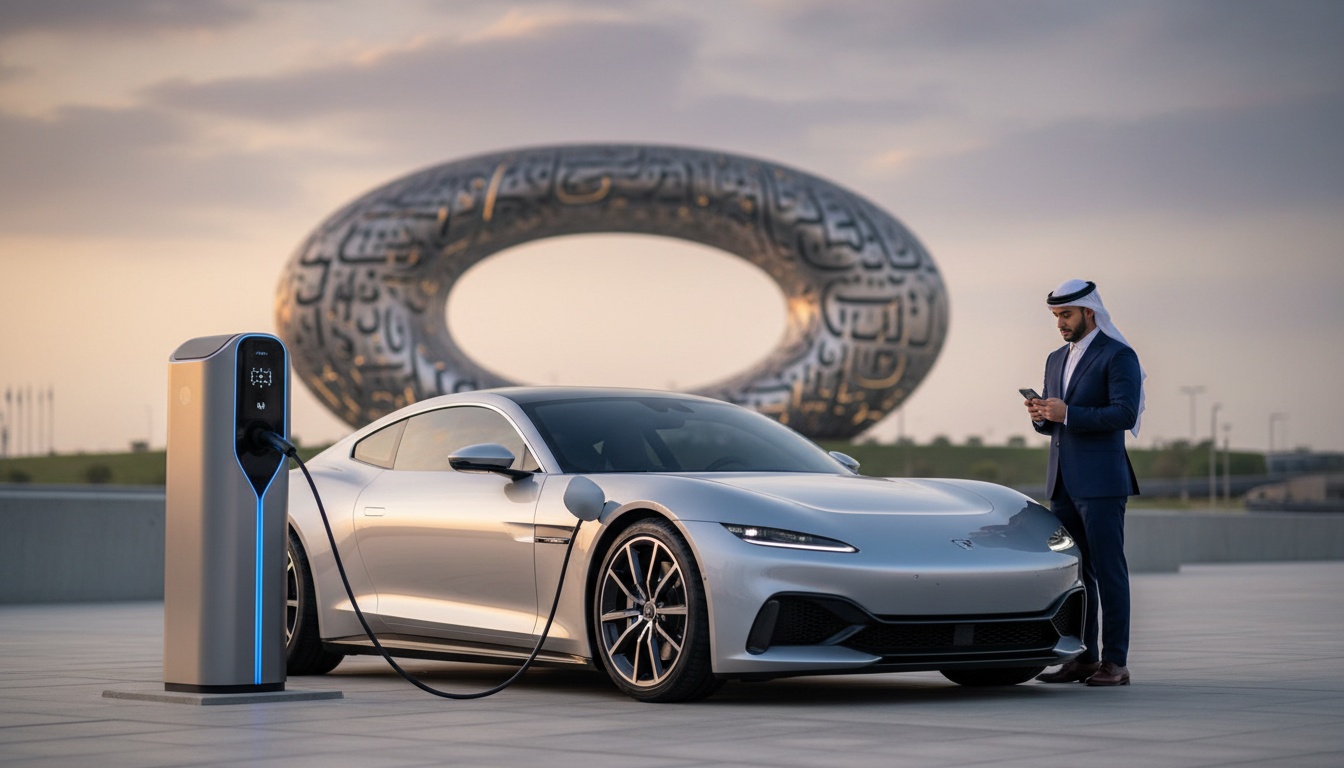
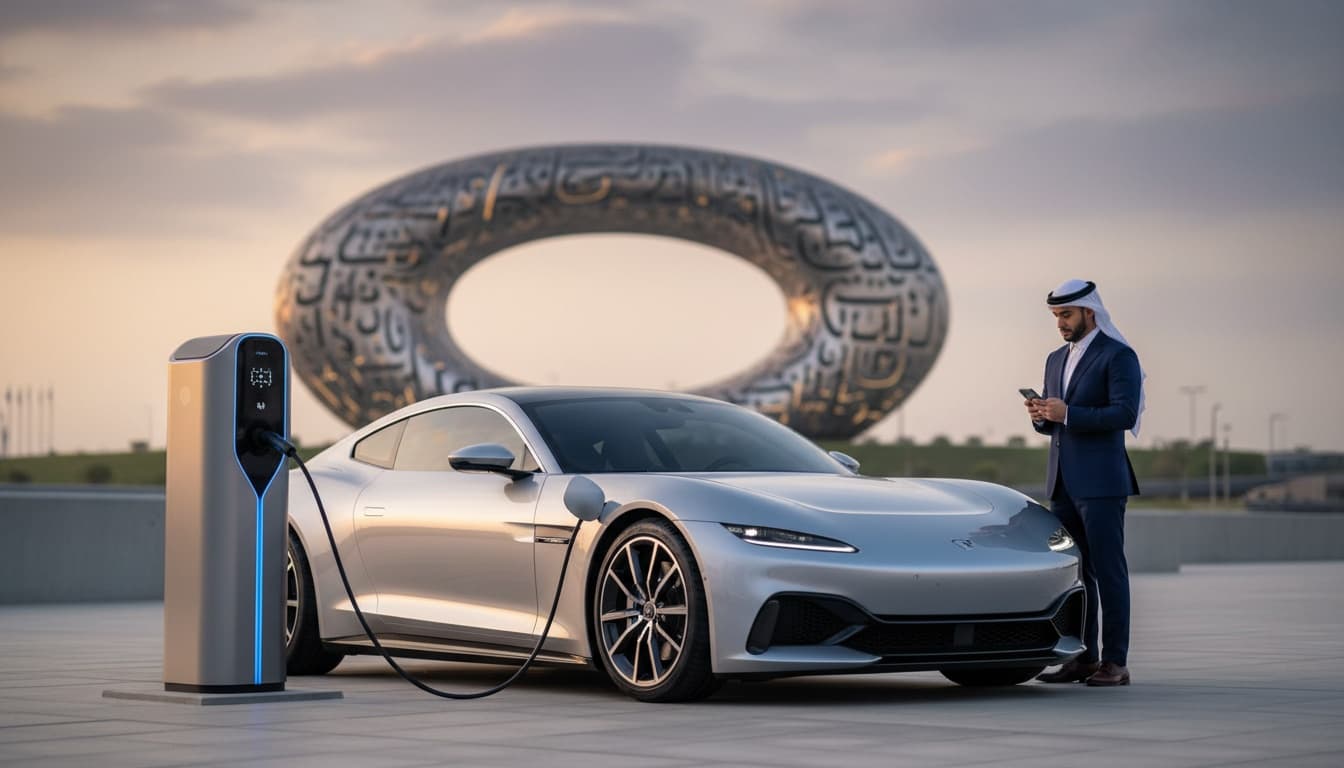
Young drivers in the UAE are discovering that owning a high-performance electric vehicle comes with far more than a charging cable — it now comes with significant insurance consequences. The UAE Central Bank's 2026 Unified Motor Policy update introduces new risk tiers specifically targeting high-kilowatt EVs, and drivers under 25 are feeling the impact most. Here's everything you need to know before you buy or insure a performance EV in 2026.
Understanding High-Performance EVs: Why Power-to-Weight Ratios Matter to UAE Insurers
Unlike petrol engines that build power progressively through RPM, electric motors deliver maximum torque instantly — from a complete standstill. This "instant torque" characteristic is what makes performance EVs exciting to drive and statistically riskier to insure, particularly for inexperienced drivers.
UAE insurers, guided by RTA vehicle classifications and the Central Bank's motor insurance framework, now assess EVs using kilowatt (kW) output as a primary risk indicator. A vehicle producing over 300kW — think Tesla Model S Plaid or Lucid Air — is categorised differently from a standard BYD Atto 3 producing around 150kW.
Power-to-weight ratio matters because a lightweight EV hitting 100km/h in under 3 seconds poses greater accident severity risk than a heavier, slower vehicle. Insurers price this risk accordingly. For young drivers still developing hazard perception skills, the gap between capability and experience is statistically significant.
If you're also evaluating Chinese EVs specifically, the Chinese Hybrid vs EV Insurance UAE 2026 Premium Guide provides an excellent breakdown of how models like MG and Geely are classified under current rules.
The 2026 Mandate: New Restrictions for Drivers Under 25 on High-Kilowatt Vehicles
The Central Bank's 2026 update formalises what many insurers were already applying informally: mandatory loading and conditional coverage for drivers aged 18–24 on EVs exceeding 300kW.
Under the updated guidelines, young drivers face:
- 15–25% mandatory premium loading on EVs rated above 300kW
- Compulsory telematics/black-box installation for high-performance EV policies
- Higher excess requirements — often AED 5,000+ for at-fault accidents
- Restricted agency repair access limited to authorized service centres in Dubai and Abu Dhabi
- Specialist approval requirements for super-performance EVs (Rimac, Lotus Evija)
The regulation is explicitly designed to reduce high-speed incidents among youth drivers. According to UAE government transport data, young drivers represent a disproportionate share of high-impact collisions involving powerful vehicles.
Third-party liability limits for high-performance EVs are also being adjusted upward to reflect the increased property damage potential — relevant if your vehicle causes structural damage to another car or infrastructure at high speed.
For those wondering about home charging infrastructure and related risks, the EV Home Charger Fire and Car Insurance UAE 2026 Coverage guide covers an often-overlooked coverage gap.
Comparing Premium Loading: Performance EVs vs. Traditional Sports Cars in the UAE
Many young buyers assume a performance EV will cost less to insure than a petrol sports car. In 2026, that assumption is increasingly incorrect — and the gap is widening for under-25 drivers.
UAE EV Insurance Risk Matrix by Driver Age (2026 Estimates)
| EV Performance Tier | Driver Age 18–24 (Restriction) | Driver Age 25+ (Average Premium) |
|---|---|---|
| Standard EV (BYD Atto 3 / Geely Geometry) | Standard Premium + 15% Loading | Standard Market Rate |
| High-Performance EV (Tesla Plaid / Lucid Air) | Mandatory Telematics + High Excess | 8%–12% Loading |
| Super-Performance EV (Rimac / Lotus Evija) | Restricted / Specialist Approval Only | Custom Agreed Value Policy |
Interestingly, Chinese-made performance EVs like the MG Cyberster occupy a nuanced middle ground. Although marketed aggressively in UAE showrooms, their 0–100km/h performance specs determine whether they fall into the standard or high-performance tier. Buyers should verify specs before assuming cheaper premiums apply.
Traditional sports cars (petrol-powered) have established actuarial histories. EVs, particularly newer Chinese brands, have shorter claims data, which sometimes results in conservative — meaning expensive — pricing. The Approved Garages for Geely and BYD in UAE 2026 Guide is essential reading if agency repair is a priority for your policy.

Compare & Choose a Plan
Risk Mitigation Checklist: How Young Drivers Can Secure Coverage in a Restricted Market
Being under 25 doesn't mean being uninsurable — it means being strategic. Here's how to navigate the 2026 restrictions effectively:
- Accept telematics proactively. Black-box monitoring demonstrating safe driving can reduce loading after 6–12 months of clean data.
- Build your no-claims history first. Starting with a standard EV and building a claims-free record lowers future premiums on performance upgrades. Review how motor insurance renewal and no-claims discounts work before switching vehicles.
- Increase your voluntary excess. Accepting a higher excess voluntarily can offset mandatory premium loading.
- Choose standard EV models initially. BYD, Geely Geometry, and similar models under 300kW attract standard rates even for young drivers.
- Consider being a secondary driver. In some structures, a parent as primary policyholder on a jointly used vehicle can reduce overall premium — though insurers are tightening this pathway for high-performance models.
- Compare comprehensively vs. third-party cover. Understand the difference between comprehensive and third-party options, especially for high-value EVs where repair costs can exceed AED 80,000.
Get a Free Quote Now
Conclusion
Bottom line: The 2026 UAE EV insurance regulations create real financial and practical barriers for drivers under 25 seeking high-performance electric vehicles. Understanding the kilowatt-based risk tiers, mandatory telematics requirements, and premium loading structures is essential before committing to a purchase. Smart choices today — starting with lower-output EVs and building a clean driving record — create better options tomorrow.
Young drivers and their families can compare motor insurance plans on licensed platforms to find compliant, competitively priced coverage across all EV performance tiers in the UAE.
Short Summary: New 2026 UAE rules impose mandatory loading and telematics on high-performance EV policies for drivers under 25.
Meta Description: Drivers under 25 face new EV insurance restrictions in UAE 2026. Learn the kW thresholds, premium loading rules, and how to reduce your costs.
Slug: ev-insurance-under-25-uae-high-performance-2026
Explore Plans →
FAQ
Does the 2026 under-25 restriction apply to hybrid vehicles in the UAE?
No — the 2026 restrictions specifically target fully electric vehicles exceeding 300kW output. Hybrid vehicles are assessed under separate criteria, typically based on combined output ratings, and generally do not trigger the same mandatory loading thresholds.
Will existing insurance policies be grandfathered in after the 2026 regulation change?
No. The Central Bank's guidance applies at renewal. Existing policyholders renewing after the effective date must comply with the new loading and telematics requirements if they are under 25 and driving a qualifying high-performance EV.
How does the UAE Central Bank define a "High-Performance" EV for insurance purposes?
The 2026 Unified Motor Policy framework classifies any fully electric vehicle with a motor output exceeding 300kW as high-performance. Super-performance vehicles (typically above 500kW) require specialist insurer approval regardless of driver age.
Can a driver under 25 be a secondary driver on a high-performance EV policy?
Increasingly, no — not without disclosure and additional loading. Insurers are now requiring full disclosure of all regular drivers, and listing an under-25 driver as secondary on a high-performance EV triggers proportionate loading adjustments.
Are Chinese-made performance EVs like the MG Cyberster subject to these new 2026 rules?
Yes, if their certified kW output exceeds the 300kW threshold. The MG Cyberster's performance variant falls within the high-performance tier and is subject to the same restrictions as other qualifying EVs, regardless of country of manufacture.
Editorial note: This article is for general information and does not constitute insurance advice. Always confirm terms with your insurer.