






Motor Insurance
Hybrid vs Electric Car Insurance UAE: 2026 Premium Guide
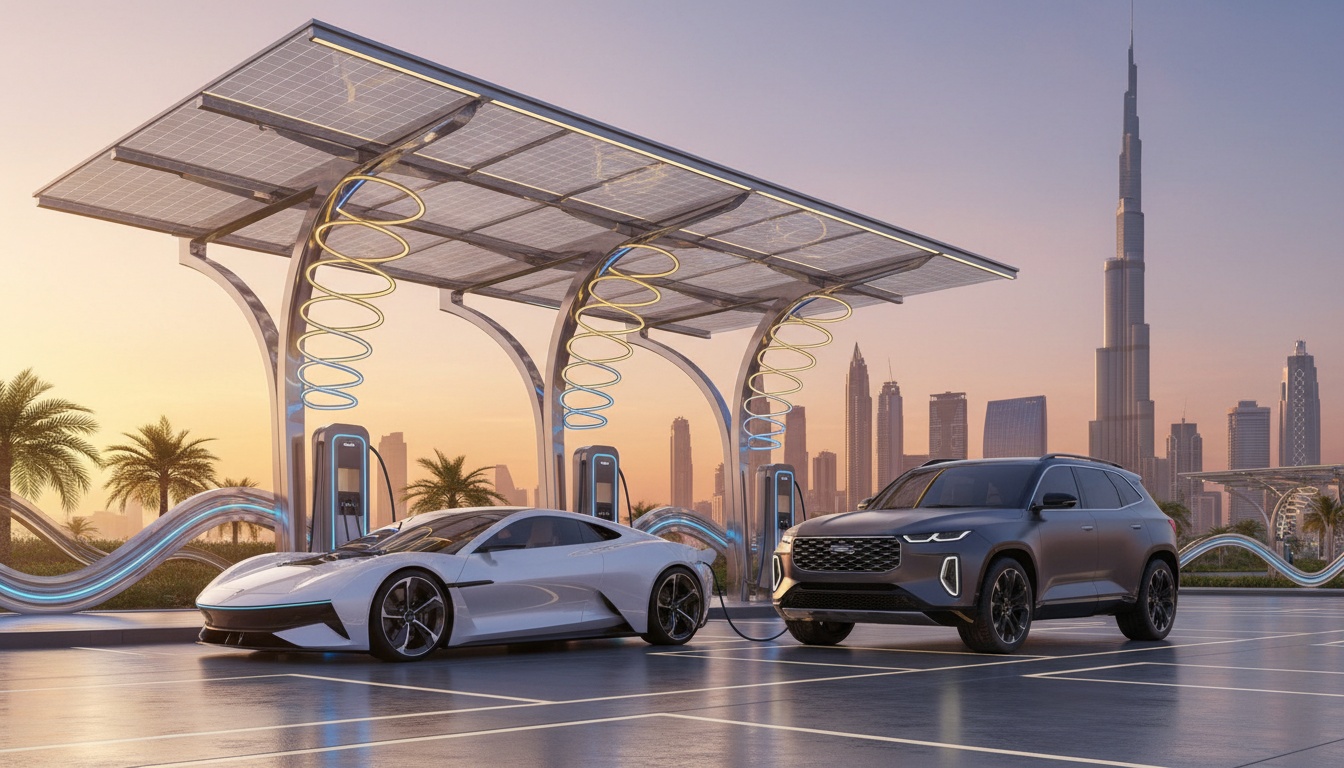
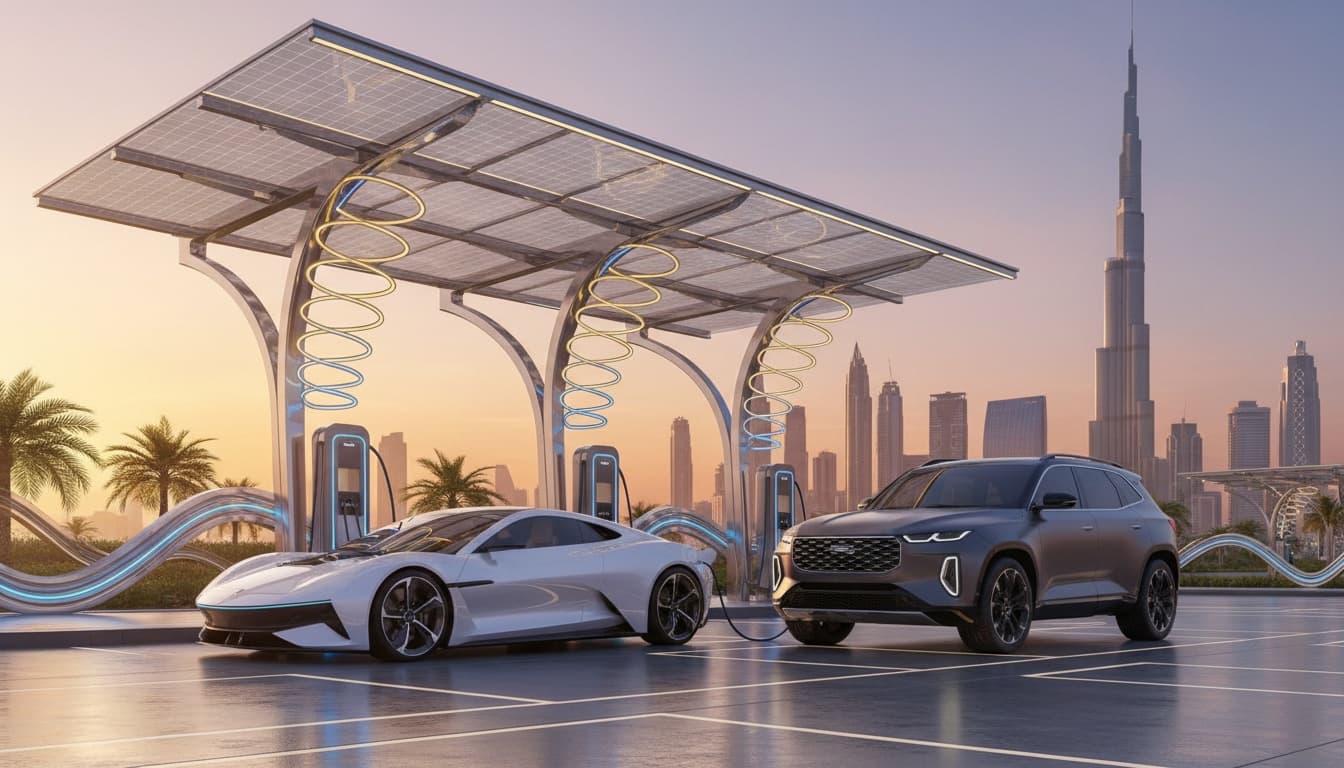
The UAE's roads are witnessing a green revolution in 2026, with hybrid and electric vehicles becoming increasingly mainstream across Dubai, Abu Dhabi, and beyond. As environmentally-conscious residents consider making the switch from traditional petrol cars, one crucial question emerges: how do insurance premiums differ between hybrids and full electric vehicles? This article breaks down the 2026 insurance landscape for new energy vehicles (NEVs) in the Emirates, revealing why your power source directly impacts your wallet—and how you can make the smartest insurance choice when comparing motor insurance plans online.
Understanding the 2026 UAE Green Mobility Landscape: Why Power Source Dictates Your Premium
The UAE's commitment to sustainability has transformed its automotive market in 2026. From BYD showrooms dotting Sheikh Zayed Road to Tesla superchargers in Yas Mall parking, electric and hybrid vehicles have moved from novelty to necessity. However, insurers view these vehicles through a completely different lens than traditional internal combustion engine (ICE) cars.
Why power source matters to insurers:
- Battery risk profile: Electric vehicles carry high-voltage battery systems valued between AED 30,000-80,000, representing 30-40% of total vehicle value
- Specialized repair requirements: Only certified technicians can work on hybrid and EV powertrains, limiting repair shop options
- Climate vulnerability: The UAE's extreme summer temperatures (reaching 50°C) accelerate battery degradation and increase thermal management system failures
- Parts availability: While improving in 2026, replacement components for EVs still require longer lead times than conventional vehicles
Insurance companies in the UAE must factor in these unique risks when calculating premiums. According to the Central Bank of the UAE's 2026 automotive insurance guidelines, insurers now distinguish between three categories: traditional ICE vehicles, hybrid electric vehicles (HEV/PHEV), and battery electric vehicles (BEV)—each with distinct risk weightings.
Detailed Breakdown: Hybrid vs. Electric Insurance Coverage in the Emirates
Understanding what your policy actually covers is crucial when insuring a new energy vehicle in the UAE. In 2026, comprehensive car insurance for hybrids and EVs includes several specialized provisions that don't exist for petrol cars.
Hybrid Insurance Coverage (PHEV/HEV):
Hybrid vehicles occupy a unique "middle ground" in the insurance market. Plug-in Hybrids (PHEVs) like the BYD Seal DM-i and traditional Hybrids (HEVs) like the Toyota Camry Hybrid both combine electric and petrol powertrains, creating a dual-risk profile.
- Battery coverage: Typically limited to AED 15,000-35,000 depending on vehicle model
- Dual powertrain repair: Covers both electric motor and combustion engine components
- Charging equipment: Basic home wallbox coverage (usually up to AED 5,000)
- Roadside assistance: Includes mobile charging services within emirate limits
Electric Vehicle Insurance Coverage (BEV):
Full battery electric vehicles like the Tesla Model Y, BYD Atto 3, and Zeekr X require more comprehensive specialized coverage in 2026.
- Complete battery system: Coverage extends to the entire battery pack, thermal management system, and power electronics
- Cyber protection: Standard inclusion in 2026 policies covering software malfunctions and over-the-air update failures
- Public charging liability: Protection against third-party damage while vehicle is charging at public stations
- Enhanced roadside assistance: Flatbed towing to authorized service centers (crucial as EVs cannot be traditionally towed)
- Battery health certification: For vehicles over 3 years old, annual battery state-of-health (SOH) reports now required for policy renewal
2026 UAE Insurance Comparison: Hybrid vs. Electric vs. Petrol
| Feature | Hybrid (PHEV/HEV) | Electric (BEV) | Traditional Petrol (ICE) |
|---|---|---|---|
| Average Premium Loading | +8% to +12% | +15% to +25% | Baseline (0%) |
| Battery Cover Inclusion | Partial (capped at AED 35,000) | Comprehensive (full pack value) | Not applicable |
| Agency Repair Availability | Moderate (improving in 2026) | High for major brands | Excellent |
| Roadside Assistance Scope | Standard + basic mobile charging | Enhanced + specialized flatbed towing | Standard |
| Cyber Coverage | Optional add-on | Standard inclusion | Not applicable |
| Wallbox/Charger Protection | Up to AED 5,000 | Up to AED 15,000 | Not applicable |
The 2026 Premium Gap: Analyzing Repair Costs and Agency vs. Non-Agency Options
Despite the UAE's rapid EV infrastructure development, insurance premiums for electric vehicles in 2026 remain 15-25% higher than equivalent petrol models. Understanding why reveals opportunities to reduce your costs.
Key cost drivers in 2026:
1. Specialized Labor Rates Certified EV technicians in Dubai and Abu Dhabi command hourly rates of AED 350-500 compared to AED 180-250 for conventional mechanics. Only 47 workshops across the UAE held Ministry of Energy & Infrastructure (MOEI) EV certification as of March 2026.
2. Battery Total-Loss Scenarios Even minor accidents can compromise battery pack integrity. If thermal sensors detect structural damage, the entire battery system (worth 30-40% of vehicle value) must be replaced as a safety precaution—dramatically increasing claim costs.
3. Parts Import Dependencies While Chinese EV brands like BYD and MG have established local service networks in 2026, critical components still require 4-8 week shipping from overseas suppliers.
The Hybrid Advantage:
Hybrids benefit from a more favorable insurance profile in 2026 for several reasons:
- Smaller battery packs mean lower total-loss exposure
- Dual powertrain provides backup mobility (reducing towing frequency)
- Wider repair network availability—most conventional workshops can service the combustion engine components
- Lower average claim values translate to reduced premiums
Agency vs. Non-Agency Considerations:
In 2026, the choice between agency and non-agency repair significantly impacts EV insurance pricing. Agency repair policies for premium EVs (Tesla, Porsche Taycan, BMW iX) carry 20-35% higher premiums but guarantee:
- Original equipment manufacturer (OEM) parts exclusively
- Factory-trained technician expertise
- Manufacturer warranty preservation
- Software calibration post-repair
Non-agency comprehensive policies offer 15-25% premium savings but may:
- Use aftermarket or reconditioned battery cells
- Void certain manufacturer warranties
- Require pre-approval for all repairs over AED 10,000
- Exclude software-related claims
Compare & Choose a Plan
Checklist for Policyholders: Maximizing Value for New Energy Vehicle Insurance
Whether you're driving a Nissan Leaf or considering a BYD Seal in 2026, these practical steps will help optimize your insurance investment:
Before Purchase:
- Verify battery warranty coverage: Ensure manufacturer battery warranty remains valid and won't be voided by insurance repair choices
- Request multiple quotes: Premiums for identical EVs can vary by 30% between insurers—compare at least 3-4 providers using trusted online insurance platforms
- Confirm charging equipment coverage: Check whether home wallbox and public charging incidents are included
- Assess repair network: Verify how many authorized service centers operate within 50km of your residence
During Policy Selection:
- Review battery degradation clauses: Some policies reduce battery cover by 5-10% annually—negotiate fixed-value coverage
- Confirm cyber protection: Ensure software malfunctions, OTA update failures, and infotainment system damage are explicitly covered
- Evaluate no-claims bonus (NCB) transfer: Confirm your existing ICE vehicle NCB transfers to your new hybrid or EV policy
- Check roadside assistance radius: For EVs, confirm coverage extends across all Emirates, not just your registration emirate
After Policy Activation:
- Document battery health baseline: Obtain and store initial battery SOH certification—critical for renewal and claims
- Photograph charging equipment: Maintain dated photos of your wallbox installation and serial numbers
- Review annually: EV insurance in the UAE is evolving rapidly—reassess coverage each renewal cycle
Get a Free Quote Now
Conclusion
Bottom line: In 2026, hybrid vehicles represent the insurance "sweet spot" for UAE residents—offering environmental benefits with moderate premium increases of 8-12%, while full electric vehicles still command 15-25% higher premiums due to specialized repair requirements and battery risks. However, the maturing EV infrastructure, expanding Chinese manufacturer networks, and standardized cyber coverage are gradually narrowing this gap. Whether you choose hybrid or electric, understanding the specific coverage differences and leveraging comparison tools will ensure you don't overpay for protection.
Explore Plans →
FAQ
Why is electric car insurance still more expensive than petrol cars in the UAE in 2026?
Despite infrastructure improvements, EV insurance remains 15-25% more expensive due to three primary factors: specialized technician labor costs (AED 350-500/hour vs. AED 180-250 for conventional mechanics), high-value battery systems requiring complete replacement even after minor impacts, and limited repair network availability requiring certified EV workshops. The total cost of battery pack replacement—often 30-40% of vehicle value—creates significantly higher claim exposure for insurers.
Does driving a Hybrid car reduce my insurance premium compared to a standard car?
Not quite—hybrid insurance actually costs 8-12% more than equivalent petrol models in 2026. However, hybrids are substantially cheaper to insure than full electric vehicles (which carry 15-25% premium increases). The "hybrid middle ground" results from smaller battery systems, dual powertrain redundancy, and wider repair network availability compared to EVs, while still requiring specialized coverage not needed for conventional cars.
Are Chinese EV brands like BYD more expensive to insure in Dubai than Tesla?
Interestingly, the 2026 market has shifted—BYD, MG, and other Chinese EVs now often cost 5-15% less to insure than Tesla equivalents. This reversal occurred because Chinese manufacturers established extensive UAE service networks with multiple authorized repair centers, while Tesla maintains limited service locations. Additionally, Chinese EV replacement parts availability has dramatically improved, reducing claim settlement times and insurer risk exposure.
How does the UAE's heat affect EV battery insurance claims?
The UAE's extreme temperatures (reaching 50°C in summer) accelerate battery thermal stress, with insurers reporting 23% higher battery-related claims during June-September 2026 compared to winter months. Heat-induced battery degradation, thermal management system failures, and cooling component malfunctions have become the second-most common EV claim type after collision damage. Most 2026 policies now include specific thermal damage coverage, though some exclude degradation claims if vehicles lack shaded parking.
Is 'Wallbox' home charger coverage included in standard UAE EV insurance?
As of 2026, most comprehensive EV policies include basic wallbox coverage up to AED 15,000, while hybrid policies cap coverage at AED 5,000. However, this typically covers only physical damage to the charging unit itself—not electrical wiring, installation defects, or damage caused by power surges. For premium protection, consider adding electrical equipment coverage extensions, particularly important given Dubai Electricity and Water Authority (DEWA) reported 340+ charging-related electrical incidents in 2025.
Can I get agency repair for a 5-year-old Hybrid car in the UAE?
Agency repair availability for older hybrids depends on manufacturer support—Japanese brands (Toyota, Lexus, Honda) maintain excellent agency service for 10+ year old hybrids in 2026, while some discontinued models from European manufacturers face limited agency options. When purchasing used hybrid insurance, explicitly verify whether agency repair coverage is available and at what premium increase. For vehicles over 7 years old, agency repair policies can cost 40-60% more than non-agency alternatives.
Editorial note: This article is for general information and does not constitute insurance advice. Always confirm terms with your insurer.