






Travel Insurance
Workation 2026: UAE Travel Insurance & Remote Work Claims

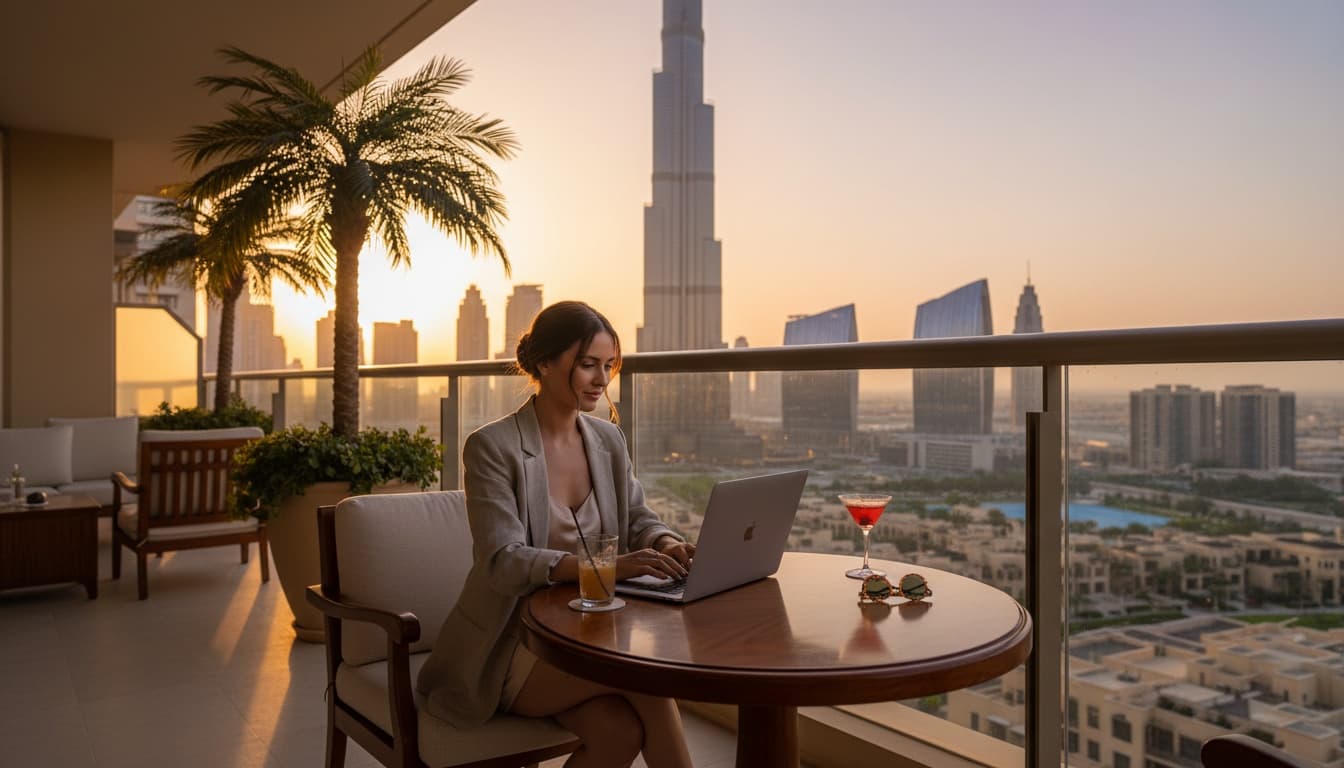
The workation trend has transformed how UAE-based professionals travel in 2026, with thousands combining remote work with exotic destinations. However, a growing number of expats and digital nomads are discovering a costly gap: standard travel insurance policies purchased in the UAE often don't cover work-related activities abroad. This article breaks down the technical reasons why insurers reject remote work claims and what UAE residents need to know before booking their next workation.
Understanding the Workation Gap: Leisure vs. Business Travel Insurance
UAE travel insurance policies are traditionally designed around two distinct categories: leisure travel and business travel. Standard tourist policies assume recreational activities like sightseeing, dining, and hotel stays. The moment work enters the equation, insurers classify the trip differently due to altered risk profiles.
The classification matters because UAE insurance regulations, overseen by the UAE Insurance Authority, require accurate disclosure of travel purpose at policy purchase. Working remotely from a Bali villa or a Lisbon co-working space introduces professional liability risks, equipment coverage needs, and different accident scenarios that leisure policies explicitly exclude.
Key distinctions include:
- Activity scope: Leisure policies cover recreational accidents; business policies extend to work-related incidents
- Equipment protection: Tourist plans offer minimal gadget coverage; work policies protect laptops, monitors, and professional gear
- Liability coverage: Personal liability differs significantly from professional liability during work hours
- Duration limits: Standard policies often cap stays at 60-90 days, while workations frequently extend longer
5 Critical Reasons UAE Insurers Reject Remote Work Claims
1. Activity Mismatch and Material Non-Disclosure
When purchasing a leisure travel policy, policyholders answer questions about trip purpose. Stating "tourism" while planning to work remotely constitutes material non-disclosure under UAE insurance law. Claims adjusters review social media, email correspondence, and even LinkedIn activity during investigations. Evidence of scheduled work meetings or client deliverables can void the entire policy.
2. Professional Liability Exclusions
Standard UAE travel insurance excludes professional activities from personal liability coverage. If a remote worker accidentally damages co-working space equipment or causes injury to another person during work hours, the claim falls outside leisure policy parameters. For example, spilling coffee on a rented monitor during a video conference wouldn't be covered under baggage protection designed for tourist belongings.
3. Equipment Coverage Limitations
Most UAE leisure policies cap baggage and personal effects at AED 2,500-5,000 total, with sub-limits of AED 500-1,000 per item. A typical digital nomad setup—laptop (AED 4,000), external monitor (AED 1,500), noise-canceling headphones (AED 1,200), and camera (AED 3,000)—far exceeds these thresholds. Even when theft occurs, insurers may reject claims if they determine items were for professional use rather than personal travel.
4. Duration of Stay Violations
UAE travel policies typically cover trips up to 90 consecutive days maximum. Many workations extend to 3-6 months, especially for holders of the Dubai Remote Work Visa valid for one year. Once the policy period expires, travelers lose all coverage. Moreover, some insurers require policyholders to return to the UAE every 90 days to maintain continuous coverage under annual multi-trip plans.
5. Medical Coverage Exclusions During Work Hours
One of the most disputed areas involves accidents occurring while actively working. A fall while hiking Mount Fuji on Saturday is clearly recreational. But a slip in a rented apartment while rushing to a Monday morning Zoom call? Insurers argue this falls during professional activity, potentially outside leisure policy scope. The Federal Authority for Identity, Citizenship, Customs & Port Security (ICP) notes increasing disputes over work-related medical claims filed under tourist visas.
Get Free Quotes →
Policy Comparison: Standard Travel Insurance vs. Digital Nomad Coverage
Understanding policy differences helps UAE residents make informed decisions before departure:
| Feature | Standard Leisure Policy | Remote Work/Workation Extension |
|---|---|---|
| Medical Cover in Co-working Spaces | Excluded or disputed | Explicitly included during work hours |
| Work Equipment (Laptops/Monitors) | AED 500-1,000 per item limit | Up to AED 15,000-25,000 professional gear coverage |
| Personal Liability During Work Hours | Excluded for professional activities | Covers accidental damage/injury during remote work |
| Accidents in Licensed Accommodation | Covered for leisure stays | Covers home office setups in rentals/Airbnb |
| Trip Duration | 30-90 days maximum per trip | 180-365 days continuous coverage options |
| Geographic Restrictions | May exclude certain countries for extended stays | Worldwide coverage including co-working hubs |
The table illustrates why using a leisure policy for workations creates coverage gaps. For UAE residents planning extended remote work abroad, specialized extensions or digital nomad riders become essential rather than optional.
Essential Checklist to Validate Your Coverage Before Flying
UAE residents planning workations in 2026 should complete these verification steps:
Pre-Purchase Documentation
- Declare work intent: Explicitly inform the insurer about remote work plans during policy purchase
- Request written confirmation: Obtain email or policy amendment confirming work activities are covered
- Review exclusions list: Check for "business activities," "professional services," or "employment" exclusions
- Verify equipment limits: Ensure declared item values match your actual gear
Policy Coverage Verification
- Medical coverage during work hours: Confirm 24/7 coverage regardless of activity
- Professional liability: Ask about coverage for work-related accidents affecting third parties
- Duration alignment: Match policy validity to workation length, including buffer days
- Geographic coverage: Verify destination countries are included without sub-limits
UAE-Specific Requirements
- Dubai Remote Work Visa holders: Confirm policy meets visa insurance requirements (minimum medical coverage typically AED 150,000)
- Employment proof: Keep salary certificates and employment contracts accessible for potential claim verification
- Return ticket flexibility: Some policies require proof of return travel; open-ended workations may complicate this
- Home country coverage: Verify if policy covers return trips to home country during extended stays
Government Registration
While not insurance-specific, workation travelers should register with the Federal Authority for Identity, Citizenship, Customs & Port Security portal before extended foreign stays. This creates documentation trails helpful during claims and helps UAE authorities assist citizens abroad.
Compare Plans →
Conclusion
Bottom line: The 2026 workation boom has exposed significant gaps between standard UAE travel insurance and the actual needs of remote workers abroad. Leisure policies categorically exclude professional activities, creating claim rejection risks for equipment theft, work-hour accidents, and liability incidents. UAE residents combining work with travel must either purchase specialized business travel extensions, upgrade to digital nomad coverage, or face potential claim denials that could cost thousands of dirhams in out-of-pocket expenses.
Understanding policy classifications and proactively declaring work intent protects both coverage validity and financial security during workations. For those planning extended stays under the Dubai Remote Work Visa or other remote work arrangements, investing time in proper coverage verification before departure prevents costly surprises abroad.
FAQ
Does standard UAE travel insurance cover my work laptop if stolen abroad?
Most standard leisure policies cover laptops only up to AED 500-1,000 per item as part of baggage protection, and may exclude items used primarily for business. If your laptop's value exceeds these limits or you disclosed a leisure trip while working remotely, the claim could be rejected. Specialized business travel or digital nomad policies offer higher limits (AED 10,000-25,000) specifically for work equipment.
If I get injured while working in a cafe in Europe, is it covered?
This depends on policy wording and whether you declared work intent. Standard leisure policies often exclude accidents occurring during "professional activities" or "business pursuits." An injury while actively working—even in a public cafe—may be disputed. Business travel policies or remote work extensions explicitly cover medical incidents during work hours, regardless of location.
What is the difference between a business trip and a workation for insurers?
Traditional business trips involve employer-sponsored travel for meetings, conferences, or client visits, typically short-term with defined work locations. Workations combine remote employment with leisure travel, often self-funded and extended duration. UAE insurers treat these differently because workations blur leisure/business boundaries, creating coverage ambiguities that specialized policies address through explicit remote work clauses.
Does the Dubai Remote Work Visa require a specific type of health insurance?
Yes, the 2026 Dubai Remote Work Visa requires valid health insurance with minimum coverage of approximately AED 150,000 for medical expenses. While the visa accepts comprehensive UAE health insurance, travelers should verify their policy covers them abroad during the visa's one-year validity period. Many UAE health policies exclude or limit international coverage, necessitating additional travel insurance for workation destinations.
Can I upgrade my existing annual multi-trip policy to include remote work?
Many UAE insurers offer mid-term endorsements or riders to add business travel coverage to existing annual policies. Contact your provider before departure with specific workation details including dates, destinations, and activities. Some insurers charge 30-50% premium increases for business extensions, but this significantly reduces claim rejection risks compared to undisclosed work under leisure policies.
Editorial note: This article is for general information and does not constitute insurance advice. Always confirm terms with your insurer.